
Building an Honest Product-Launch Funnel for a Specialty Food Brand
Illustrative case study: how a specialty food brand could coordinate launch content, a genuine deadline, fulfilment rules, and an accurate expiry state.
By jsyxiPublished
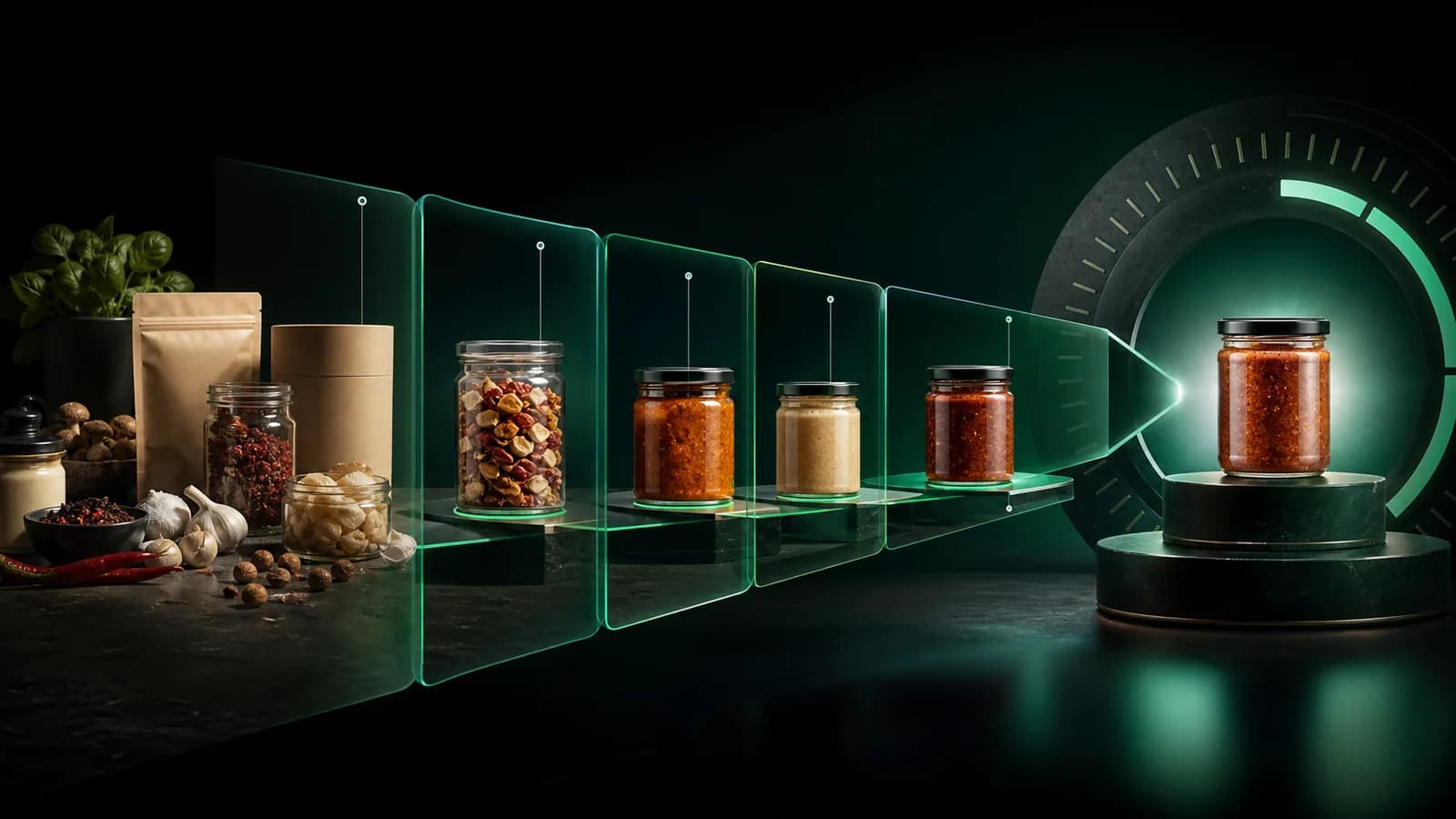
Illustrative case study: This is a representative scenario created to explain a practical approach. It is not a named customer claim, testimonial, or guarantee of results.
Context
Imagine a specialty food brand preparing a small-batch seasonal release. The product has a real production schedule, a defined order window, and delivery limitations related to freshness and serviceable locations. Past launches generated excitement, but customers sometimes encountered outdated campaign pages, unclear dispatch language, and social posts that continued after the order window changed.
The team wants a more coherent launch funnel. The objective is not to manufacture pressure. It is to make the timeline, product story, eligibility, and next state understandable from the first announcement through the moment ordering closes.
The challenge
A countdown crosses marketing, inventory, pricing, fulfilment, and customer support. If those systems disagree, the timer becomes a visible promise the operation cannot keep. A shopper may see time remaining while the batch is already unavailable, or reach checkout without learning that their postcode cannot receive the product on the intended date.
The campaign also spans several entry points: email, creator content, search, a launch page, the product page, cart, and support. Each version of the message can drift. The team therefore treats the deadline as shared operational data rather than decorative copy.
Strategy
The team begins by completing one sentence: when the launch timer reaches zero, the order window closes and the page changes to a clearly defined follow-up state. It documents the authoritative timezone, eligible products and locations, batch availability rules, cart behaviour across the boundary, and the owner who can correct the campaign.
The funnel is organised into anticipation, open ordering, and closed ordering. Each stage has one primary visitor action and an accurate fallback. The launch story explains ingredients, preparation, storage, allergens, pack size, delivery conditions, and what makes the seasonal release distinct without relying on urgency alone.
Implementation
The pre-launch page offers a relevant notification route and publishes the opening time with timezone context. At launch, the page reveals price, pack contents, product facts, delivery rules, stock state, and purchase action together. Campaign links land directly on this page so visitors do not have to rediscover the featured item.
The team builds the visible deadline with the Countdown Timer tool. Its copy states exactly what changes, uses only useful time units, and avoids flashing or panic styling. The server remains authoritative for commercial eligibility; a device clock is not allowed to grant an expired condition.
In the cart, the message appears only when the items and destination remain eligible. The team decides in advance whether a cart started before the deadline is reserved or revalidated, then explains that rule before checkout. Cache behaviour is tested so an expired campaign cannot survive as a stale page.
At zero, the timer is replaced with an accurate closed message. If another batch is planned, visitors can request an update without being told a date the team has not confirmed. Email, social, support scripts, and on-site banners are updated from the same campaign brief.
Measurement plan
The baseline covers launch-page progression, product-detail engagement, eligibility errors, add-to-cart completion, checkout starts, fulfilment questions, cancellations, refunds, and page performance. The team annotates email sends, creator activity, inventory changes, and technical incidents so demand spikes are not misread as interface effects.
The most important review happens at the boundaries: before opening, during heavy traffic, at the final moments, and after closure. Support tags questions that indicate missing conditions. Operations checks whether orders match the batch and delivery plan. Marketing reviews whether every published message still reflects reality.
Guardrails
- The deadline represents a documented event and never resets per visitor
- Stock language comes from real inventory rules
- Ingredients, allergens, storage, and delivery limitations remain easy to find
- The active offer, cart, checkout, and expiry state agree
- Customers are not promised delivery dates outside operational control
- Timers remain readable with zoom, keyboard navigation, screen readers, and reduced motion
- Post-launch contact is permission-based and easy to decline
Definition of success
Success would be a launch customers can understand and the fulfilment team can honour. Fewer deadline and eligibility surprises, cleaner handoffs, and an accurate closed state matter as much as order completion. The playbook should also be reusable for the next genuine release without encouraging permanent scarcity theatre.
Brands planning a launch can browse the Countdown Timer, pair it carefully with an announcement popup, or contact JSYXI for help connecting campaign presentation to inventory, cart, and fulfilment logic.
Could this approach fit your business?
Start free, or book a consultation to turn the most relevant ideas into a practical plan.