
Standardising Multi-Client Widget Operations for a Digital Agency
Illustrative case study: a scalable operating model for an agency managing widgets across client sites, with templates, approvals, QA, access control, and rollback.
By jsyxiPublished
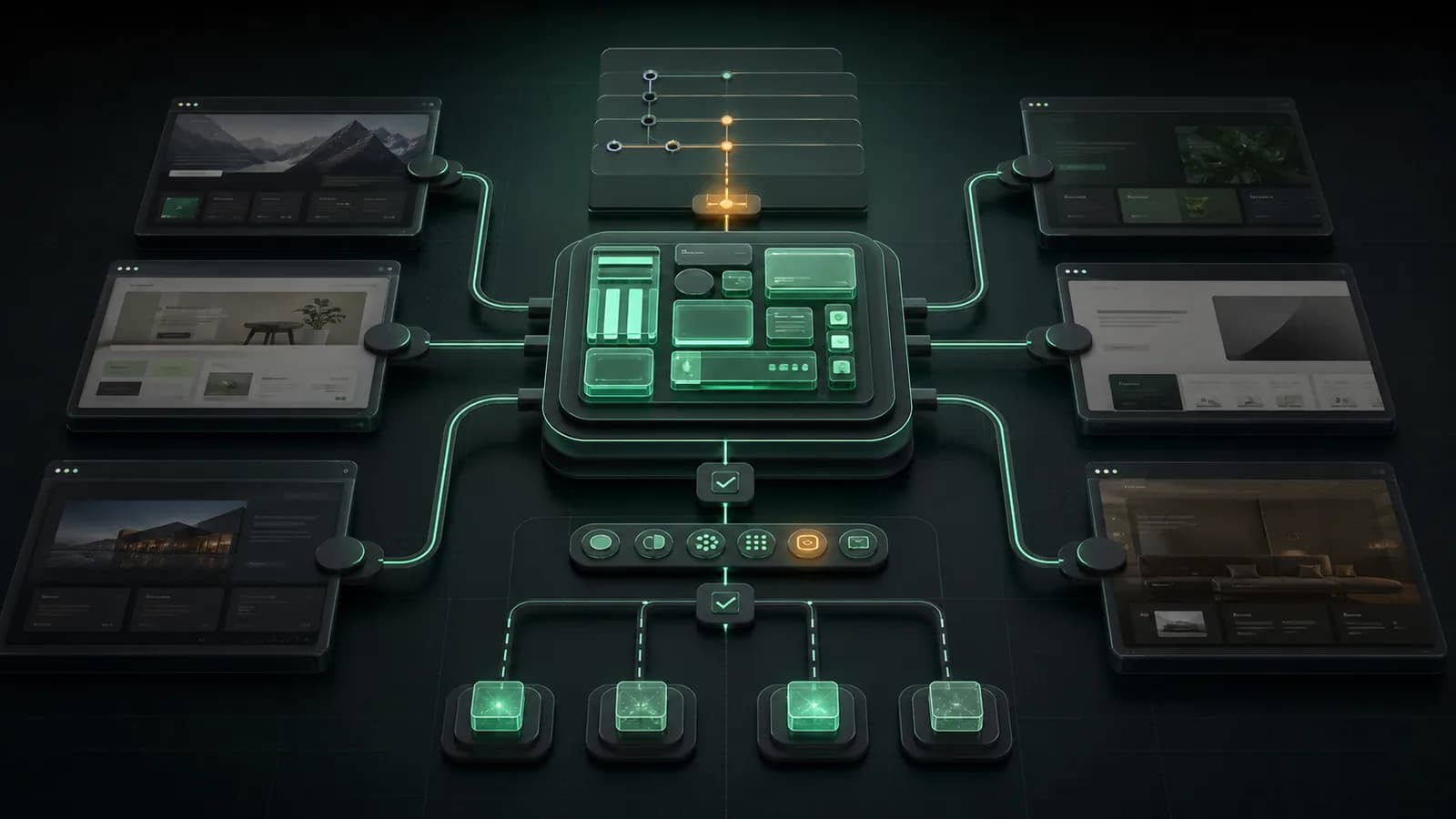
Illustrative case study: This is a representative scenario created to explain a possible delivery approach. It is not a named customer claim, testimonial, or guaranteed result.
Context
Imagine a digital agency that manages lead forms, popups, review panels, WhatsApp buttons, announcements, and FAQs for many client websites. Each account team works quickly, but naming, embed placement, approvals, launch checks, and reporting have evolved client by client. A campaign can remain live after an offer ends, a copied form can route to the wrong inbox, or a styling change can behave differently across themes.
The agency does not need one identical widget for every client. It needs a repeatable operating system that preserves brand and campaign differences while standardising the risky parts: access, configuration, review, publishing, monitoring, and rollback.
The challenge
Multi-client operations combine creative work with production responsibility. The agency must know which workspace, domain, campaign, owner, consent rule, and version belong together. Clients need an approval path without receiving unnecessary access to other accounts. Account teams need speed without silently bypassing accessibility, performance, or data-handling checks.
The discovery inventory should capture:
- every active widget, domain, purpose, owner, embed location, and campaign end condition;
- client-specific branding, consent, legal, and routing requirements;
- user roles across agency and client teams;
- how drafts, approvals, publishing, and emergency changes currently happen;
- which analytics and reports are actually used for decisions;
- how a previous version can be restored safely.
Strategy
The proposed model uses isolated client workspaces with shared agency standards. Templates provide approved structure, default accessibility behaviour, event naming, and QA guidance, while theme controls preserve each client's visual system.
A widget moves through named states: request, draft, internal review, client review where required, scheduled or approved, published, monitored, and retired. Small low-risk copy changes may use a lighter path; new data collection, routing, scripts, or targeting rules require deeper review.
Ownership is explicit. Every published item has a business owner, production owner, destination, review date, and retirement condition. A central register helps the agency find active deployments without placing all client data into one public report.
Implementation approach
The agency would begin by cleaning the inventory rather than migrating everything blindly. Unknown, duplicate, expired, or unused widgets should be investigated before they become part of the new system.
A practical rollout could include:
- Define workspace separation, roles, naming, tags, lifecycle states, approval rules, and minimum launch evidence.
- Create reusable templates for common tools, including forms, popups, FAQs, reviews, announcements, and contact options.
- Set client design tokens and content rules without hard-coding one visual style into every template.
- Standardise embed management using documented environments and the widget installation guide.
- Add a pre-publish checklist covering destination routing, domain targeting, mobile layout, keyboard use, dismiss behaviour, consent, event tracking, performance, schedule, and ownership.
- Record versions and approvals, then support scheduled launch, monitored canary exposure where appropriate, and a tested rollback path.
- Create an operations view for active campaigns, upcoming reviews, failed destinations, stale content, usage limits, and unresolved client approvals.
- Run periodic client reviews that connect widget data to the original goal and decide to keep, revise, pause, or retire.
The process should remain proportionate. A corrected spelling does not need the ceremony of a new lead integration, but both changes should remain attributable.
Measurement plan
Operational measurement should reveal whether the model improves control without slowing useful work. Signals can include:
- elapsed time and handoffs from accepted request to approved publication;
- launches returned because required information or approval was missing;
- failed submissions, wrong destinations, expired campaigns, or domain mismatches;
- use of templates and the reasons teams override them;
- accessibility, performance, and mobile issues found before versus after publication;
- active widgets without an owner, review date, or retirement rule;
- client decisions made from reports rather than impressions alone.
The agency should not compare unlike clients on one conversion leaderboard. A service enquiry form, store announcement, and support FAQ have different jobs and denominators.
Guardrails
Client separation is non-negotiable. Roles should follow least privilege, shared staff accounts should be avoided, access changes need auditability, and offboarding should remove credentials promptly. Secrets and lead data must not be copied into templates or troubleshooting screenshots.
Every client remains responsible for approving its claims, offers, consent language, and data use. The agency should document those approvals rather than infer them. Scripts and targeting need performance and privacy review. Emergency publishing requires a retrospective check so temporary shortcuts do not become permanent operating practice.
Rollback is part of launch readiness, not an improvised response after a problem.
Definition of success
The representative operating model succeeds when:
- the agency can identify every live widget, client, owner, purpose, and version;
- reusable templates improve consistency while preserving client brands;
- appropriate reviews happen before high-risk changes reach production;
- routing, schedules, and retirement conditions are visible;
- access remains isolated and auditable;
- teams can monitor, pause, restore, or retire a deployment confidently;
- reporting leads to a clear keep, revise, pause, or retire decision.
Agencies can explore the complete widget catalogue, review view and usage guidance, or contact jsyxi to design a workspace, approval, and reporting model for their client portfolio.
Could this approach fit your business?
Start free, or book a consultation to turn the most relevant ideas into a practical plan.